
TOMATO
- Natural Pesticide -
PREPARATION
200 g of fresh “femminella” in 10 liters of water for 3 days.
250 kg of dried leaves and stems of the plant in 10 liters of water for 3 days.
DOSAGE
The tomato macerate is diluted in a ratio of 1 to 2.
APPLICATION
The tomato macerate must be sprayed on the vegetation of the plants affected by the infestation. Care must be taken to hit the parasite with the liquid. Therefore, be careful to also wet the lower part of the leaves, where many parasites usually take refuge. The best time to water is certainly in the late afternoon hours, it will allow you to keep the vegetation wet for longer.


EFFECTIVE AGAINST PESTS


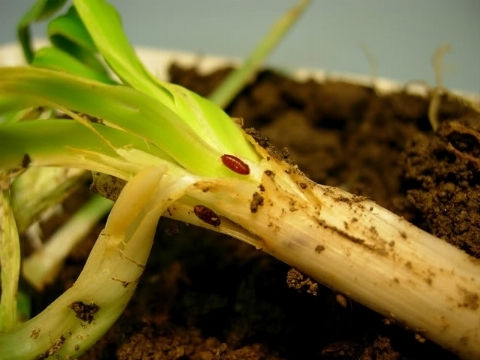


Tomato Macerate is your Strong Ally Against Pests.
In the face of environmental concerns and sustainability, utilizing natural methods to fend off pests in our gardens has gained significant attention. Gardeners and farmers are continuously looking for eco-friendly ways to protect their bountiful harvest from destructive predators. One such homegrown remedy is the tomato macerate.
Its ease of creation and effectiveness in combating a range of malicious pests make it a popular and efficient pesticide for your greens. A life-saver for vegetables, fruit trees, and ornamental ones, tomato macerate owes its fortress-like defense against insects to capsaicin, its main alkaloid.
What is Capsaicin?
Capsaicin, an organic compound found in tomatoes, is a repellant for several types of pests. This natural alkaloid is awfully unpalatable to insects—allowing your plants to thrive without any unwelcome inhabitants. Tomato macerate becomes a shield, protecting your plants, all the while being environmentally friendly, an attribute synthetic pesticides often lack.
Importance of Application
The effectiveness of the tomato macerate relies heavily on its correct application. It is essential to target the pests directly with the macerate. This includes giving attention to the often-overlooked regions of your plants—like the underside of the leaves—a common hideout for pests.
While spraying, be careful to macerate your plants thoroughly without causing any damage, ensuring the foliage stays well-saturated for an effective pest offensive.
Timing is Key
Victory in any battle requires tactical planning—including the war against garden pests. One such stratagem in deploying our tomato macerate is the timing of its application.
The late afternoon hours prove to be the most efficient time to water your plants with the macerate. The advantage lies in the relative calm and cool of the environment post the harsh intensity of the midday sun but before the onset of dew at night. During this period, the liquid can stay on the plants for a more extended period allowing it to work its magic against the hostile invaders.
The prolonged dampness of the vegetation aids in deterring the parasites, giving your plants the upper hand in this unforgiving battle.
Application Dos and Don'ts
Do ensure to cover all parts of the plant, especially the underbelly of the leaves.
Do not spray during high-intensity sunlight, to prevent burning the plants.
Do consider the frequency based on the extent of the pest attack.
Do not apply excessively, to avoid the risk of damaging the plant.
The beauty of nature is in its interconnectedness. We, as guardians of our gardens, can utilize this connection for the welfare of our plants. By implementing tactics such as the use of tomato macerate, we not only ensure the health and productivity of our plants but also contribute towards a sustainable and eco-friendly tomorrow.
"Let your garden be a testament of your commitment to co-exist with nature, making every leaf count."
Plant, Protect and Prosper; let the benefits of tomato macerate guide your journey to a green and bountiful garden.